All laws in Wales start as a Bill, published in English and Welsh. If a proposed law is complicated, there may be a draft Bill put out for consultation before it’s introduced in the Senedd.
Bills are usually introduced by a Welsh Government minister, but from time to time a ballot is held to allow any Member of the Senedd from any party to introduce their own Bill.
Every Bill needs to come with an explanatory memorandum setting out what the Bill intends to do in detail, alternative options that were considered instead of a change to the law, as well as a detailed estimate as to what the Bill will cost.
Stage 1
Senedd Cymru
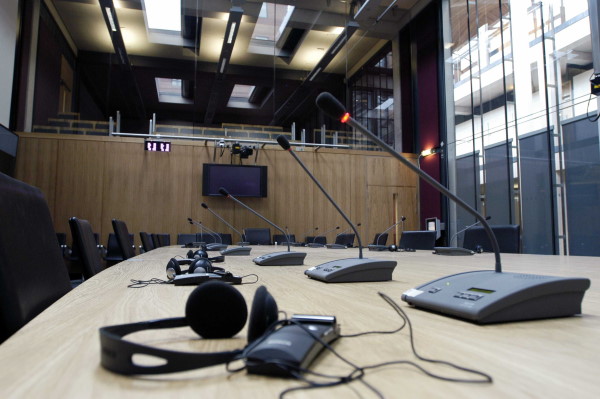
Once the Bill has been introduced, a Senedd committee – usually the committee covering the same devolved policy area as the Bill – holds an inquiry into the overall aims of the Bill.
The Committee will take evidence from the public and expert witnesses, after which they’ll draft recommendations and publish them in a report.
At the end of Stage 1, the Senedd votes on the Bill’s overall aims and any changes to the budget as a result of the Bill (financial resolution).
Stage 2
Senedd Cymru
The Bill returns to the Committee. Detailed line-by-line scrutiny takes place by committee members and the person who introduced the Bill.
This is the first stage where changes to a Bill are made (amendments). Some of these changes may be based on the Stage 1 report. Some will be based on the views of the different political parties.
Stage 3
(Pic: Senedd Cymru)
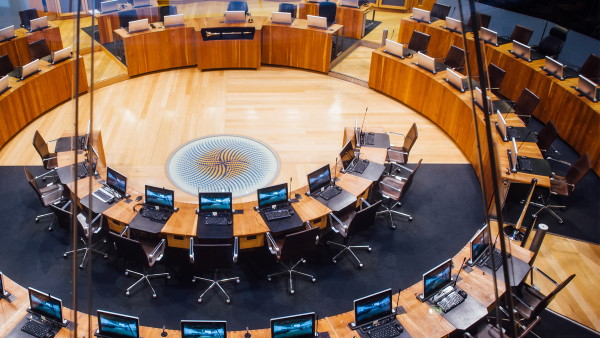
The Bill returns to the Senedd, where every member has the opportunity to propose amendments.
For complex Bills, the Senedd may hold multiple Stage 3 sessions or agree to a Report Stage where further detailed amendments are considered.
Stage 4
Daily Post
The Senedd votes on whether the final version of the Bill should become an Act.
The UK Attorney General – the senior legal adviser to the UK Government – has four weeks from the approval of a Bill at Stage 4 to present a legal challenge (intimation).
This challenge would usually take place in the UK Supreme Court. It may happen if, for example, the UK Government argues the Senedd is making laws outside of devolved policy areas. Depending on how the Supreme Court rules, the Senedd would be allowed to reconsider the Bill.
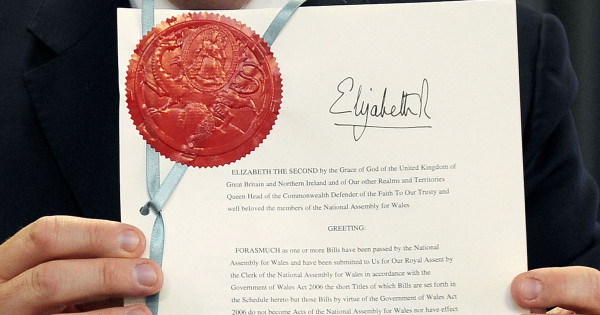
If there’s no legal challenge, then the Bill goes to the monarch to be signed into law (Royal assent), becoming an Act.
Emergency Bills
In cases where a law needs to be made quickly – such as a national emergency or to deal with a loophole in an existing law – the Senedd may vote to treat the Bill as an Emergency Bill.
The process for an Emergency Bill is largely the same, except both Stage 2 and Stage 3 take place in the Senedd as a whole and Stage 4 usually happens immediately after Stage 3 (instead of a week or two later).
The time it takes for an Emergency Bill to be passed may take as little as two to three weeks.