


To recap, planning officers and members of planning committees are expected to base their decisions on planning policies rather than personal or public opinions.
But when it comes to the details of a planning application itself, officers and councillors can take specific issues into account when coming to a decision.

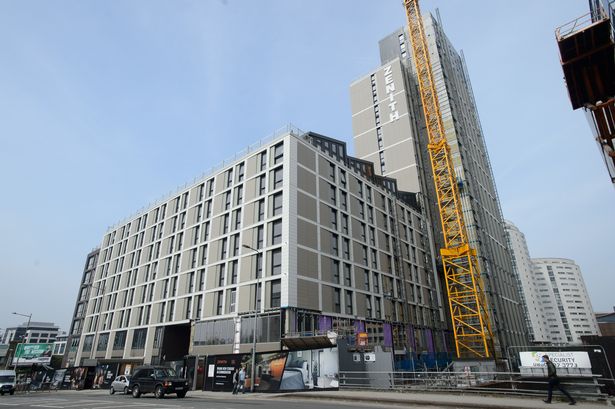
So planning committees and planning officers can base their decisions on the layout, appearance and design of a proposed development. Therefore, “crap developments” shouldn’t happen on paper – yet they still do. Why?
Firstly, the deadlines. Planning applications usually have to be decided within 8-16 weeks of submission. This “deadline” depends on the complexity of the proposal and whether things like an environmental impact assessment is needed.
That’s not that long. While the bulk of the work will be carried out by planning officers – who will be under pressure to meet those deadlines – members of a planning committee may only have an hour or two to speak on a proposal at a meeting. They could be discussing half a dozen or more applications plus other items of business.
In that scenario, a qualified planner – from a position of authority – tells a planning committee that a proposed development is in line with the LDP and would likely result in a lengthy and expensive appeals process if rejected.
The natural reaction of members – with the quasi-judicial role in mind and the fact they’re sitting through maybe a 2-3 hour meeting – may be to simply rubber-stamp it unless there’s a serious controversy that requires more discussion.
They may suggest new terms and conditions, but it would be very difficult for them to reject it based solely on it “being a bit crap”. They have to prove it’s crap and make a sound argument – and unless you’re an architect or urban designer that may be difficult to do. They will also have little to no control if a developer seeks to significantly amend their plans after receiving planning permission – like renegotiating Section 106 agreements.
All of this is before factoring in politics. Councillors from a party/group or parties that control the council are perhaps less likely to reject planning applications that fit with the council’s agreed LDP because they would be effectively rejecting their own party’s policies. They wouldn’t want to be seen as being awkward unless they have things like seniority or popularity on their side.

