


Climate change will be one of the dominant topics of the Sixth Senedd. There are plenty of related issues which we know about and governments are trying to shape policies around such as reducing carbon emissions from energy, decarbonisation of both transport and agriculture as well as wildlife conservation.
However, most efforts seem to be focused on limiting a global average temperature rise rather than reversing it.
The most optimistic scenario – presented in a report by the UN’s Intergovernmental Panel on Climate Change back in August – is that global average temperature increases can be limited to around 1.4-1.5C, which would still have a significant impact on the climate and requires us to get a move on to achieve.
The worst-case scenario is a 4.4C increase in global temperatures by the end of the century. It’s also worth remembering that as a global average, temperatures and the effects of climate change may vary wildly from region to region – a 4.4C increase globally may mean a 9-10C increase in the coldest parts of the world.
There are plenty of projections out there on what this means for Wales in terms of seasonal climate, but if even the most optimistic scenario plays out the potential impact on day-to-day life is a little fuzzy.
While there is no doubt a need to take measures to halt or slow a temperature increase, we will also have to discuss adapting to climate change – which perhaps isn’t being discussed as much at the moment.
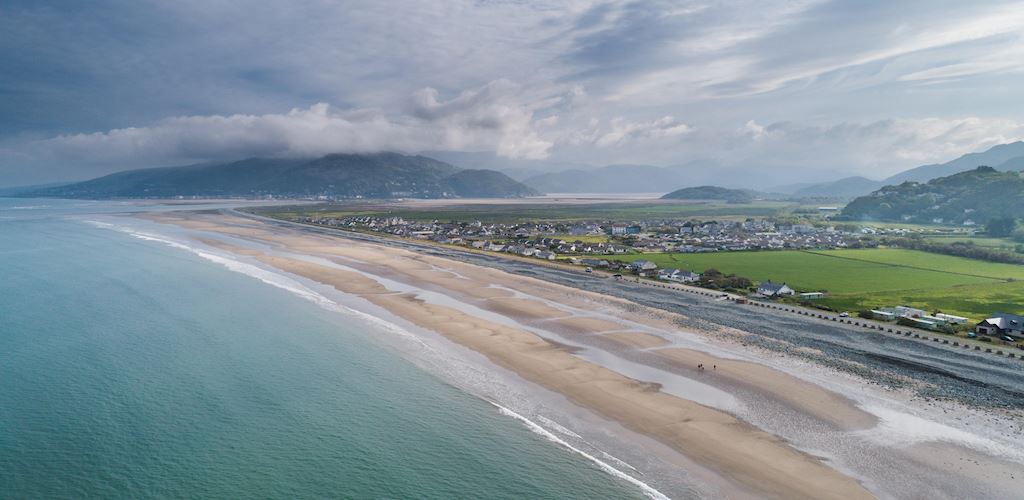
Coastal erosion and coastal flooding – Fairbourne in Gwynedd (pictured) is likely to be the first settlement in Wales lost to the sea this time around. This is a naturally occurring process anyway, but even modest increases in sea levels may accelerate it and see it start to happen in other parts of Wales too. We have enough of a problem with inland river flooding that still needs to be dealt with, but we will have to consider increased capital investment in coastal flood defences and – dare I say it – tidal lagoons and barrages.
Difficult choices will have to be made about where, when and how to install them (as a recent debate on Anglesey suggests). While there’s a lot of discussion about no longer building on flood plains, that may have to include not building in places prone to coastal flooding and erosion too. More radical options may include building new towns inland to nudge people to relocate from the coast.
Taking extreme weather more seriously – The UK Government is currently rolling out a text message-based emergency alert system. While we usually think of Atlantic storms, heavy snow and flooding as extreme weather we have to consider heatwaves becoming more common too. Some of the billions the UK spends on defence would be better spent on improving civil preparedness instead – though we are fortunate that in most cases we’ll get advanced warning of an extreme event (unlike tornados, wildfires and flash floods in places like the US).
Changes to tourism patterns – The days of the cheap package holidays to the Mediterranean and low-cost air travel may come to an end in our lifetimes. In Europe, summer tourism patterns may change from trying to escape the dull weather in northern and central parts to trying to escape heat and droughts. Cruises may make a big comeback. While it’s not uncommon for the temperature to hit or exceed 40C+ in and around the Mediterranean, I doubt anyone would go there if heatwaves take it to 45C or even higher. Your great-grandchildren’s summer holiday of choice may end up being Tromso or the Finnish lakes rather than Ibiza or the Canary Islands.
Climate change may raise questions over forestry creation due to fire risk – It’s only a matter of time before someone is killed or a village is wiped out by a forest/brush fire in Wales. We’ve been lucky so far, but if summers become drier and hotter then the risk of more serious wildfires – similar to those you see in California and Australia but on a smaller scale – becomes greater. While tree planting is seen as one of the main ways to deal with climate change, it may inadvertently become a massive risk too – you’re planting kindling. We would have to consider things like introducing much harsher criminal penalties for starting wildfires, possibly banning portable barbeques and a full-time forestry warden service.
A new agricultural revolution? – Farming stands to be one of the industries most affected by climate change (as they have been/will be by Brexit) for fairly obvious reasons. The Welsh Government are pushing farmers to take on a greater stewardship role while traditional upland farming is under threat from rewilding efforts.
It does look as though how we produce food and where we get it from is going to undergo a fundamental change in the coming decade or so. There’s already a drive for greater public procurement of locally sourced food more generally, but what happens when the places we traditionally source out-of-season food from (like southern Spain and parts of Africa) are exhausted?
Food production (mainly arable/crops) may increasingly switch to urban areas where produce can be grown in climate-controlled environments at scale, while traditional “open farms” concentrate on land management and pastoral farming. That has practical issues, such as urban farms being more energy-intensive and requiring secure water supplies – but Wales is certainly well placed to do this.
Climate refugees – There’ll be internal climate refugees – assuming the UK still exists – but there will also be the millions who largely through no fault of their own stand to be hit the hardest by a problem the wealthier and industrialised nations caused. Some island nations in the Pacific and Indian oceans may become uninhabitable fairly quickly.
Public health – In an extreme scenario, mosquito-borne diseases like malaria and dengue fever could make a comeback – at least in southern Europe – while diseases like Lyme disease may become more common if the climate allows ticks to increase in number in the UK. Additionally, more regular heatwaves would be particularly dangerous for the elderly, the obese, diabetics and those with respiratory and cardiovascular conditions while skin cancer may become more common.

