


This part looks at how people access justice in Wales, as well as the general make-up and regulation of the legal profession.

How is the law itself “regulated”?
Most of that work is done by legislatures (parliaments), but the Law Commission – based in London – is an independent body tasked with ensuring the law in England and Wales is kept under review. Scotland has a separate Law Commission.


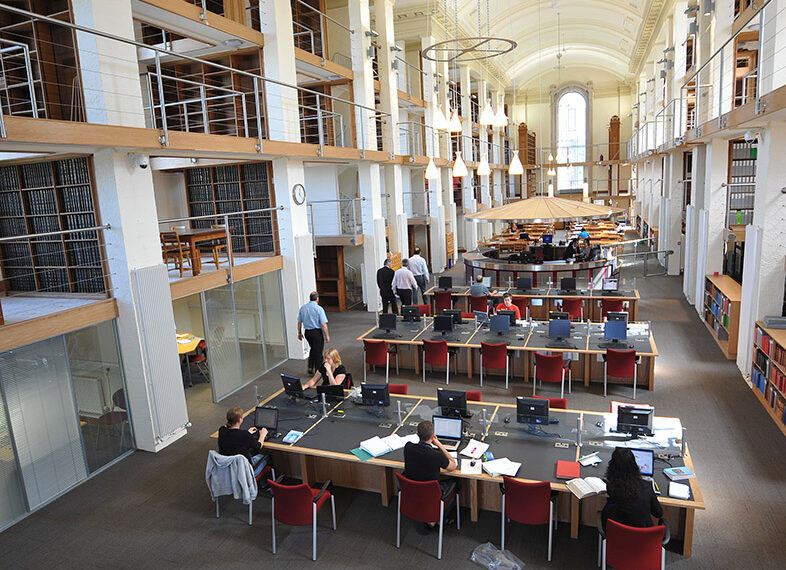

The Law Commission makes recommendations on reforms to the law to meet changing circumstances, improve clarity and understanding and also ensure cost-effectiveness. This even goes as far as recommending which laws should be repealed – though ultimately that’s a decision left to the respective parliaments.
In the case of Wales, the Law Commission has previously recommended reforms to planning laws, laws relating to taxis and hire vehicles and also recommended changes to the Welsh tribunal system. Following the February 2020 floods, they’re currently undertaking a review on laws relating to coal tips on behalf of the Welsh Government. The Welsh Government are legally obliged to update the Senedd at least once a year on how they are taking forward the Law Commission’s recommendations.
The Commission’s recommendations have played some part in efforts to codify Welsh law – set to start during the Sixth Senedd after the passing of the Legislation Act 2019.
It’s hoped that creating single consolidated laws in each devolved policy area (effectively a “legal code” – more on this in Part IVa) will make the laws more accessible and easier to understand.

