Senedd Home
Oggy Bloggy Ogwr
State of Wales
Monday, August 17, 2026
  • About & Contact
    • About State of Wales
    • Comments Policy
    • Complaints Policy
    • Contact
    • Disclaimer
  • Elections Centre
  • The Independence Index
    • The Independence Index (Full)
    • Foreign Policy
      • Relations with the former UK & Ireland
      • Relations with Europe
      • Foreign Policy (General)
      • International Organisations & Law
      • Overseas Aid
    • Defence
      • Defence Policy
      • NATO
      • Armed Forces
      • National Security
      • Civil Defence
    • Rules & Regulations
      • Safety & Standards
      • Intellectual Property
    • Economics & Money
      • Business & Economy
      • Currency
      • Tax & Spending
      • Transport & Infrastructure
    • Society
      • Communities & Housing
      • Culture & Sport
      • Education
      • Health
      • Media & Communications
      • Science & Technology
    • The State
      • Environment & Natural Resources
      • Justice
      • Local Government
  • Support & Donate
No Result
View All Result
  • About & Contact
    • About State of Wales
    • Comments Policy
    • Complaints Policy
    • Contact
    • Disclaimer
  • Elections Centre
  • The Independence Index
    • The Independence Index (Full)
    • Foreign Policy
      • Relations with the former UK & Ireland
      • Relations with Europe
      • Foreign Policy (General)
      • International Organisations & Law
      • Overseas Aid
    • Defence
      • Defence Policy
      • NATO
      • Armed Forces
      • National Security
      • Civil Defence
    • Rules & Regulations
      • Safety & Standards
      • Intellectual Property
    • Economics & Money
      • Business & Economy
      • Currency
      • Tax & Spending
      • Transport & Infrastructure
    • Society
      • Communities & Housing
      • Culture & Sport
      • Education
      • Health
      • Media & Communications
      • Science & Technology
    • The State
      • Environment & Natural Resources
      • Justice
      • Local Government
  • Support & Donate
No Result
View All Result
State of Wales
No Result
View All Result
Home Feature Pieces

When are referendums justified?

Although the Tories have failed in their push for a referendum on Senedd electoral reforms, it does beg the question as to when is the right time to hold a referendum?

Owen Donovan by Owen Donovan
June 17, 2022
in Feature Pieces
When are referendums justified?

Financial Times

Share on FacebookShare on TwitterShare on RedditShare on BlueskyShare by email

There’s been a bit of chatter recently – on the Welsh political Twittersphere at least – about referendums and if/when they’re needed.

The Conservatives in Wales have called for a referendum on proposed electoral reforms to the Senedd – which has, of course, been rebuffed. They seem to like referendums in some circumstances but not in others, though they’re not the only ones who are inconsistent on the issue.

On the other hand, there are some politicians – Hefin David MS (Lab, Caerphilly) being one of the more consistent in his views on it – who oppose referendums under any/most circumstances. They may believe a political mandate (for constitutional changes or whatever) should be granted through elections to the legislature.

The Senedd’s Future: No reform is better than bad reform
Feature Pieces

The Senedd’s Future: No reform is better than bad reform

June 10, 2022
A Welsh Constitution VIII: Amending a Welsh Constitution
Constitution

A Welsh Constitution VIII: Amending a Welsh Constitution

June 8, 2020
Dusty Shelves: A Short History of Welsh Constitutional Commissions
Feature Pieces

Dusty Shelves: A Short History of Welsh Constitutional Commissions

October 25, 2021

3. When is the right time to hold a referendum?

  • 1. Referendums: Tool of the Tyrant?
  • 2. Is there such a thing as a “good referendum”?
  • 3. When is the right time to hold a referendum?
Previous
Next

If you consider a constitution – written, unwritten or otherwise – to be a contract between the government, legislators and the people, then politicians ought to ask the people’s permission if they plan on changing that contract.

Off the top of my head, there are a least a few “tests” where holding a referendum is arguably the right and proper thing to do:

  • When there’s a requirement to hold a referendum by law – such as local polls to abolish a community council or a hypothetical return to direct rule from London.
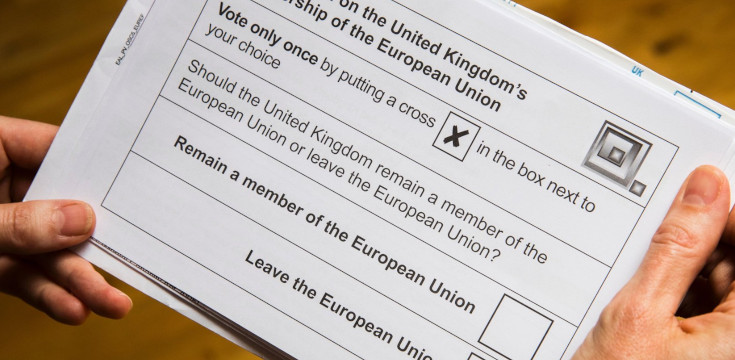
  • To approve major policy changes that could have a direct impact on the public as a whole because it could result in a material difference in circumstances or individual/collective rights – i.e. independence, Brexit, restoration of the death penalty etc.
  • As a confirmatory referendum to choose between different options arising from a previous referendum – i.e. a hypothetical second Brexit referendum on the type of Brexit (i.e. EFTA, Customs Union, Theresa May Deal, No Deal) rather than the principle.
  • To approve changes to a written constitution and/or a completely new written constitution, including international treaties that may affect a constitution – i.e. hypothetically rejoining the EU.

In the context of Senedd reform, increasing the number of members wouldn’t count under that shortlist. It’s effectively a boundary review and makes little material difference to how the Senedd works. We don’t get referendums on changes to the number of MPs, constituencies or local government boundary reviews etc. so the argument to hold one for the Senedd on those grounds is weak.

The matters that you could argue should go to a referendum are changing the voting system and the imposition of gender quotas. Both would – in an unwritten constitution at least – count as material constitutional amendments that fundamentally change the way the Senedd works and, therefore, the unwritten contract between politicians and the public.

The case for holding a referendum on those issues isn’t that strong though. While electing all members via D’Hondt would be a material change to elections (and therefore the unwritten constitution as it is in Wales), we already use it to elect regional list members so it’s not as radical a change as it otherwise could be.

Similarly, gender quotas could impact who can stand in Senedd elections. However, most parties have unofficial gender quotas already through constituency pairing (male in one, female in another) or “zipping” on the five regional lists; the proposal would only formalise that in law (assuming the Senedd has the powers to do so in the first place).

Due to the expense of holding referendums, in pragmatic terms it’s generally a good idea for a government or ruling coalition to only hold referendums if they’re confident they can win.

Perhaps there’s a reluctance to hold a referendum on Senedd electoral reform because it’s inevitable that a populist campaign against “more politicians” may have the upper hand over arguments around member workloads, proportional representation and gender equality.

3. When is the right time to hold a referendum?

  • 1. Referendums: Tool of the Tyrant?
  • 2. Is there such a thing as a “good referendum”?
  • 3. When is the right time to hold a referendum?
Previous
Next
Tags: BrexitConservativesConstitutionDevolutionElectoral Reform & SystemsIrelandNorthern IrelandPolitical TheorySenedd
Previous Post

The Senedd’s Future: No reform is better than bad reform

Next Post

Local Government I – The Story of Local Government in Wales

Owen Donovan

Owen Donovan

Archive

Categories

Copyright

Creative Commons Licence

State of Wales by Owen Donovan is licensed under a Creative Commons Attribution-NonCommercial-NoDerivatives 4.0 International License.

Subscribe by Email

Search

No Result
View All Result
No Result
View All Result
  • Go To Senedd Home
  • Go To Oggy Bloggy Ogwr
  • About & Contact
    • About State of Wales
    • Comments Policy
    • Complaints Policy
    • Contact & Subscribe by Email
    • Disclaimer
  • Features
    • After the UK
    • Chinny Reckon
    • Devil’s Advocate
    • How Wales Works
    • Road to Brexit
  • The Independence Index
    • The Independence Index (full)
    • Economics & Money
      • Business & Economy
      • Currency
      • Tax & Spending
      • Transport & Infrastructure
    • Society
      • Communities & Housing
      • Culture & Sport
      • Education
      • Health
      • Media & Communications
      • Science & Technology
    • The State
      • Environment & Natural Resources
      • Justice
      • Local Government
  • Elections Centre
  • Wales FAQ
    • How is Wales funded?
    • How are laws in Wales made?
  • Support & Donate