


There’s been a bit of chatter recently – on the Welsh political Twittersphere at least – about referendums and if/when they’re needed.
The Conservatives in Wales have called for a referendum on proposed electoral reforms to the Senedd – which has, of course, been rebuffed. They seem to like referendums in some circumstances but not in others, though they’re not the only ones who are inconsistent on the issue.
On the other hand, there are some politicians – Hefin David MS (Lab, Caerphilly) being one of the more consistent in his views on it – who oppose referendums under any/most circumstances. They may believe a political mandate (for constitutional changes or whatever) should be granted through elections to the legislature.



One of the major pitfalls in democracies is the so-called “tyranny of the majority”. The “majority”, or the political elite created by them, will tend to pursue their self-interest at the expense of everyone else because they’re perceived to have strength in numbers.
If minority views aren’t properly considered, then people in minority groups or those with minority political beliefs may think they’re unrepresented.
This may lead to things disillusionment with politics (but they may otherwise get on with their lives). At worst it can make more extreme ideologies and political stances more attractive (on the part of the minority) or lead to the majority trying to actively oppress or snuff out views contrary to their own.
So what does that have to do with referendums?
There are plenty of historic examples where referendums have been used as a populist weapon by authoritarians to secure “the people’s will” for policies which may oppress other people. Fascist dictators used referendums fairly regularly as a tool to accrue power for themselves – rigged or not.
In parliamentary systems, referendums may be a “cop-out” by governments unwilling to make unpopular decisions themselves. If things go wrong – or the outcome of a referendum causes events or issues that were not anticipated – they may end up blaming the public for voting for it.
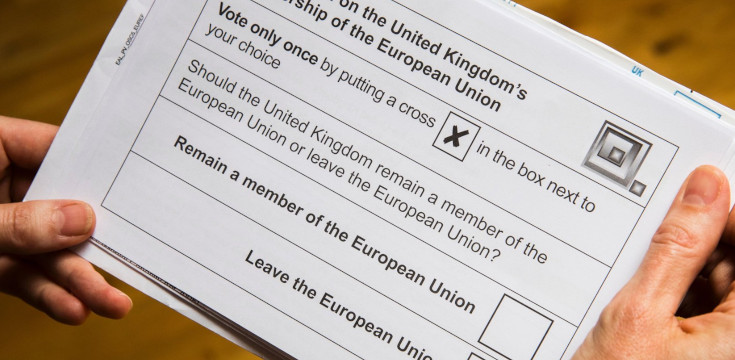
Referendums can be, by their very nature, divisive. Aggressive campaigns by the sides taking part may reopen old wounds that had otherwise seemed to be healed or resurrect issues that had seemed to be settled. We’ve seen that with Brexit and Scottish independence.
There’s also the perception – usually from the losing side, but not always – that we end up with “neverendums” if the people give an answer that the political establishment doesn’t like.
Perhaps the most famous example is the Irish referendum on the EU’s Lisbon Treaty. It was initially rejected, but a second referendum was won following concessions on certain matters.
Some people continue to fight the 1997 devolution referendum (itself a sequel to the 1979 referendum) let alone Brexit. So referendums don’t always settle a matter permanently even if that’s what they’re intended to do.

