Senedd Home
Oggy Bloggy Ogwr
State of Wales
Sunday, August 16, 2026
  • About & Contact
    • About State of Wales
    • Comments Policy
    • Complaints Policy
    • Contact
    • Disclaimer
  • Elections Centre
  • The Independence Index
    • The Independence Index (Full)
    • Foreign Policy
      • Relations with the former UK & Ireland
      • Relations with Europe
      • Foreign Policy (General)
      • International Organisations & Law
      • Overseas Aid
    • Defence
      • Defence Policy
      • NATO
      • Armed Forces
      • National Security
      • Civil Defence
    • Rules & Regulations
      • Safety & Standards
      • Intellectual Property
    • Economics & Money
      • Business & Economy
      • Currency
      • Tax & Spending
      • Transport & Infrastructure
    • Society
      • Communities & Housing
      • Culture & Sport
      • Education
      • Health
      • Media & Communications
      • Science & Technology
    • The State
      • Environment & Natural Resources
      • Justice
      • Local Government
  • Support & Donate
No Result
View All Result
  • About & Contact
    • About State of Wales
    • Comments Policy
    • Complaints Policy
    • Contact
    • Disclaimer
  • Elections Centre
  • The Independence Index
    • The Independence Index (Full)
    • Foreign Policy
      • Relations with the former UK & Ireland
      • Relations with Europe
      • Foreign Policy (General)
      • International Organisations & Law
      • Overseas Aid
    • Defence
      • Defence Policy
      • NATO
      • Armed Forces
      • National Security
      • Civil Defence
    • Rules & Regulations
      • Safety & Standards
      • Intellectual Property
    • Economics & Money
      • Business & Economy
      • Currency
      • Tax & Spending
      • Transport & Infrastructure
    • Society
      • Communities & Housing
      • Culture & Sport
      • Education
      • Health
      • Media & Communications
      • Science & Technology
    • The State
      • Environment & Natural Resources
      • Justice
      • Local Government
  • Support & Donate
No Result
View All Result
State of Wales
No Result
View All Result
Home Independence: Justice

A Welsh Justice System XIII: Wales – A Criminal Profile

A look at the general nature of crime - including the causes, the direct and indirect effects and crime prevention.

Owen Donovan by Owen Donovan
February 22, 2022
in Independence: Justice, Justice
A Welsh Justice System XIII: Wales – A Criminal Profile
Share on FacebookShare on TwitterShare on RedditShare on BlueskyShare by email

This final tranche of posts in the “A Welsh Justice System” series looks at the consequences of crime and the possible options for Wales concerning the rehabilitation (and punishment) of criminals.

To start things off – “What are the causes and effects of crime in Wales?”

3. The Effects of Crime

  • 1. Causes of Crime
  • 2. Crime in Wales
  • 3. The Effects of Crime
  • 4. Crime Prevention in Wales
Previous
Next
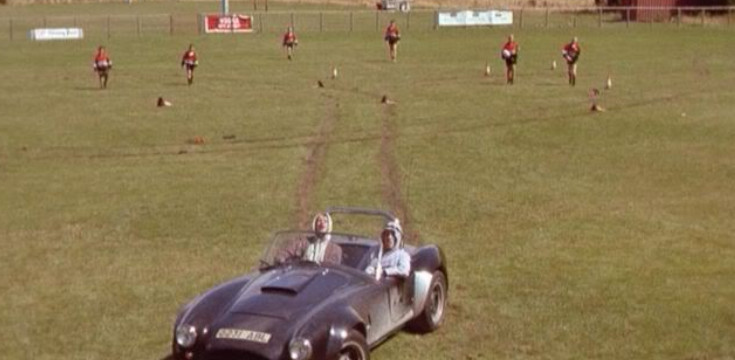
Can fear of crime be as damaging to society as crime itself? (Pic: IMDB).


Community & family breakdown – Areas persistently blighted by crime – even lower-level anti-social behaviour – may struggle to attract new businesses and investment because it becomes easier to write these places off. Crime is usually a symptom of community neglect rather than a cause, but it becomes a feedback loop and crime feeds off deprivation as much as deprivation feeds off crime.

It’s a cycle of neglect where, in most cases, small problems are allowed to turn into big ones (also known as the “broken window theory”) – whether that’s because of public spending cuts, political laziness, lack of resources/time on the part of the police, social service failures, poor planning and housing policies or increased individualism since the 1980s.

We would all be able to list examples from our own communities. What may start as cuts to youth services, poor lighting or graffiti ends up becoming late-night assaults, burglaries, open drug use and car crime. It’s well known that children who are abused or grow up with poor childhood experiences more often than not end up becoming abusers or criminals themselves. Losing a loved one to murder or criminal negligence (like being killed by a drunk driver) will also have a big impact on families, as would managing post-traumatic stress if a member of a family is a victim of a serious crime.

Fear of crime – Fear of becoming a victim of crime is almost as big a problem as crime itself. In some cases, fear of crime may result in an exaggerated perception of threats; one obvious example would be hysteria around predatory sex offenders when children and women are far more likely to be raped, stalked or sexually assaulted by someone they already know than a stranger.

Physical and mental illness (including increased stigma) – Naturally, being a victim of a crime will put enormous stress on that victim’s mental health ranging from depression, increased anxiety, post-traumatic stress disorder and maybe even self-loathing and mood swings. Some crimes may result in a person suffering permanent and life-changing injuries.

People who commit crimes while dealing with a mental illness more often than not are held up as examples of the “dangers of people with mental illnesses”, particularly for conditions like schizophrenia, certain personality disorders and autistic spectrum disorders.

Higher taxes & premiums – It’s a given that crime levels will impact insurance premiums for homes, belongings and cars. Increased car crime may see the premiums of all drivers rise, for example. Additionally, Police & Crime Commissioners in Wales may set inflation-busting council tax precept increases if they don’t feel they have enough resources from the UK Government to deal with local crime levels.

Gentrification – Areas blighted by crime may see property prices fall, with buildings/communities “with potential” (i.e. in particularly advantageous locations like city centres) left in such a state of disrepair. They may then begin to attract speculative investment as governments incentivise “upscaling” and “uplifting” the “left-behind” communities. The result is the rooted communities are gradually pushed out and the “problem” is moved elsewhere while developers skip to the bank and politicians can point to falling crime rates.

Gentrification and gated communities may also, conversely, result in such neighbourhoods becoming increased targets for crime – as I’ll touch on later.

The cost of crime

A UK Home Office research report published in July 20188 used the cost of preventative measures, the cost of a crime itself and the cost of responding to a crime to develop a statistical model to estimate the cost of specific crimes.

8: Heeks, M., Reed, S., Tafsiri, M., Prince, S. (July 2018). The economic and social costs of crime, Second edition. Available at: https://assets.publishing.service.gov.uk/government/uploads/system/uploads/attachment_data/file/732110/the-economic-and-social-costs-of-crime-horr99.pdf

3. The Effects of Crime

  • 1. Causes of Crime
  • 2. Crime in Wales
  • 3. The Effects of Crime
  • 4. Crime Prevention in Wales
Previous
Next
Tags: Access to JusticeAusterityDrugsJudicial SystemLocal GovernmentMental HealthOrganised CrimePlanningPolicingPolitical TheoryPovertyPrison ServiceSex CrimesSocial AttitudesSocial MediaUK GovernmentWelsh Government
Previous Post

How Wales Works: Bus Services – Funding & Future

Next Post

A Welsh Justice System XIV: How do other countries deal with criminals?

Owen Donovan

Owen Donovan

Archive

Categories

Copyright

Creative Commons Licence

State of Wales by Owen Donovan is licensed under a Creative Commons Attribution-NonCommercial-NoDerivatives 4.0 International License.

Subscribe by Email

Search

No Result
View All Result
No Result
View All Result
  • Go To Senedd Home
  • Go To Oggy Bloggy Ogwr
  • About & Contact
    • About State of Wales
    • Comments Policy
    • Complaints Policy
    • Contact & Subscribe by Email
    • Disclaimer
  • Features
    • After the UK
    • Chinny Reckon
    • Devil’s Advocate
    • How Wales Works
    • Road to Brexit
  • The Independence Index
    • The Independence Index (full)
    • Economics & Money
      • Business & Economy
      • Currency
      • Tax & Spending
      • Transport & Infrastructure
    • Society
      • Communities & Housing
      • Culture & Sport
      • Education
      • Health
      • Media & Communications
      • Science & Technology
    • The State
      • Environment & Natural Resources
      • Justice
      • Local Government
  • Elections Centre
  • Wales FAQ
    • How is Wales funded?
    • How are laws in Wales made?
  • Support & Donate