


In this first of four county-by-county previews over the coming week, here’s a summary of where things stand in the six northern local authorities.

- Current Administration: Independent-Conservative coalition.
- Current Leader: Cllr. Hugh Evans (Ind).
- Number of Seats (2022): 48 (+1).
- Current Seat Distribution: Conservative (15), Independents & Non-Affiliated (11), Labour (11), Plaid Cymru (10).
Previous Results:
- 1995 – No Overall Control.
- 1999 – No Overall Control.
- 2004 – No Overall Control.
- 2008 – No Overall Control.
- 2012 – No Overall Control.
- 2017 – No Overall Control.
There’s long been talk of a possible future voluntary merger between Conwy and Denbighshire – seemingly dead for now – and that’s no surprise given that the two are remarkably similar politically.
Like Conwy, the Conservatives have a full slate – the only party or group to do so. One Conservative has already been elected unopposed. The Conservatives took over from Labour as the largest single group in 2017 and they’ll probably be confident they can remain so.
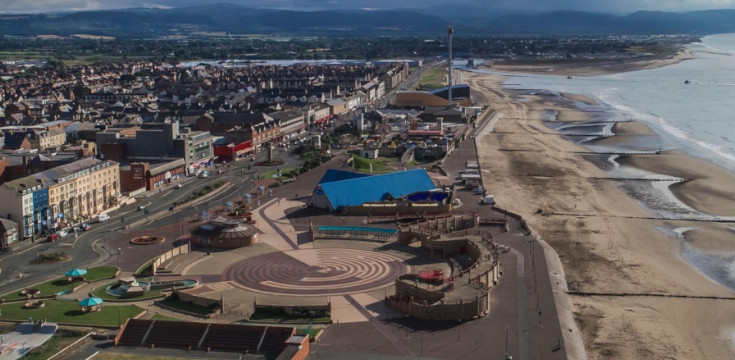
Labour usually wins the majority of councillors in Rhyl and the town has seemingly gained an extra councillor in boundary reorganisations. The Tories won seats there in 2017 and changes to how the seats are distributed in each of the wards could make things less predictable. Prestatyn shifted towards the Tories in 2017, but Labour has previously enjoyed considerable success in the town.
There have been some issues in the local Labour party too over the last few years, with several resignations, suspensions or defections.
Either way, Labour will want a big performance in one of the Tory “Red Wall” seats (Vale of Clwyd), with elections in Denbighshire seemingly won or lost in the Rhyl-Prestatyn-St Asaph-Rhuddlan-Bodelwyddan area in the north; Plaid Cymru doing better in the rural south-west.
Most of the boundary changes have taken place in the southern half of the county and it’s unclear who would stand to benefit from that – Plaid or Independents.

