


Closely tied to previous pieces on the census and national statistics is civil registration – registration of births, marriages and deaths (and some other things too).
In official terms, it effectively marks the start of, any changes to and end of a person’s citizenship.

The records themselves
I doubt any big changes need to be made here – births, stillbirths, marriages and deaths can still be recorded in the same way they are now.
There’s the option of introducing a family/household record – similar to those used in the likes of Switzerland – that could be updated at the same time as the census or a major life event. That may be useful to historians and genealogical researchers.
There have been calls for miscarriages (defined as a non-live birth before 24 weeks of pregnancy) to be recorded in the same way as stillbirths3 – which may help parents come to terms with their loss.
Another issue is gender recognition certificates. Recent changes in Scotland have caused controversy, but it’s more a rights issue than an administrative one and a topic in its own right. There’s the related issue of people who identify as non-binary being unable to record themselves as such.
The changes to the law in Scotland – controversially blocked by the UK Government – included reducing the age to apply for a certificate from 18 to 16, removing a requirement for a diagnosis of gender dysphoria and reducing the time in which a person needs to live in their preferred gender to between three months (six months fo 16-17-year olds).
The current procedure in Wales (gender identity is non-devolved) is governed by the Gender Recognition Act 2004. There have been calls for Wales to try to follow Scotland’s lead. However any attempt to do so would certainly fail as barring the necessary powers being devolved in the future, only independence would grant the power to make changes as things stand.
Additionally, we could move to more registration services being provided online or via remote video links. This doesn’t mean that local registry offices or face-to-face services would need to disappear, but it may make the process easier and would allow, for example, births to be registered immediately at the hospital.
3. BBC Wales (12th December 20220). “Baby loss: Campaigners call for official certificates.” Available at: https://www.bbc.co.uk/news/uk-wales-63917575
Managing civil registration
Delegate responsibility fully to local authorities – Each registration district (presumably aligning with the lowest tier of local government in a two-tier system or unitary authorities in a single-tier system) would be responsible for collecting and holding registration details for their respective populations. So there would probably be a local register and a collated national register, which is similar to how things operate in Switzerland. Naturally, it would be an ongoing cost to local government unless central funding was provided.
The status quo: local delivery, national oversight – This continues with things as they are, with a Welsh equivalent of a General Register Office or Passport Office stationing staff in individual registration districts. This is the safest bet as the system works relatively well. There may be an option to create more registration districts (so major life events can be recorded closer to home).
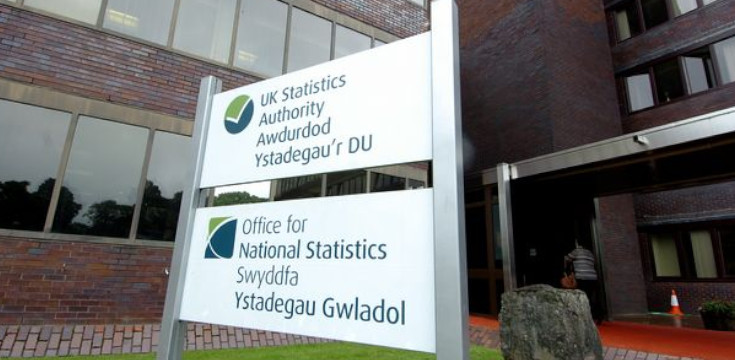
Oversight by an official statistics agency – Under this option, responsibility for civil registration would pass to a Welsh statistics agency, as happens in Scotland. I’ve looked at this previously and suggested that StatsWales take over from the ONS. The system would largely continue as it does now, but with a different agency overseeing it.
Establish a single “Records Cymru” agency – This option would borrow from Iceland. It would present an opportunity to combine the civil registration service, official statistics agency, national archives, equivalent of the Land Registry and passport agency into a single all-Wales organisation. While it may come at an expense to set up and run, it may be less bureaucratic.

