


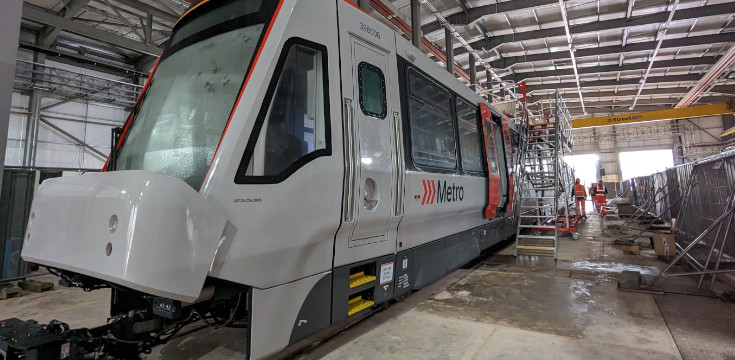
After looking at some of the blunders and missed opportunities when it comes to transport, it’s time for the “good news” – strategies and policies that the Welsh and UK governments have successfully pursued over the years.
There’ll be a break of a few weeks before the next part, so you can go through the previous pieces to catch up here:


Successive Welsh Governments have been risk-averse, but when it comes to transport there has at least been a willingness to try new approaches to old problems.
Some examples include:
- The Roads Review, which has changed the tests used to determine whether a new road project is justifiable. It’s placed a greater emphasis on the environmental impacts of new roads, improving safety and supporting shifts to more environmentally-friendly forms of public transport. It wasn’t exactly warmly welcomed but could be considered ahead of its time.
- Transport for Wales’ use of artificial intelligence to improve future planning and reliability of bus services.
- The continuation of “Bwcabus” and local roll-out of the “Fflecsi” on-demand bus services (which could be a long-term solution for communities that are unable to support full-time scheduled bus routes).
- Introduction of augmented reality guides to major railway stations for people with mobility problems or who are unfamiliar with the layout.
- TrawsCymru, Swansea and Rhondda Cynon Taf councils experimenting with free bus travel.
- Introduction of electric buses on the long-distance TrawsCymru network and some local operators.
- Transport for Wales’ innovation lab and accelerator programme.
- “Try before you buy” schemes for electric and zero-emission taxis – though the feedback has been mixed.
There’s nothing wrong with trying new policies then abandoning them if they don’t work out, but it could also lead to some good things if given the chance to prove themselves.

