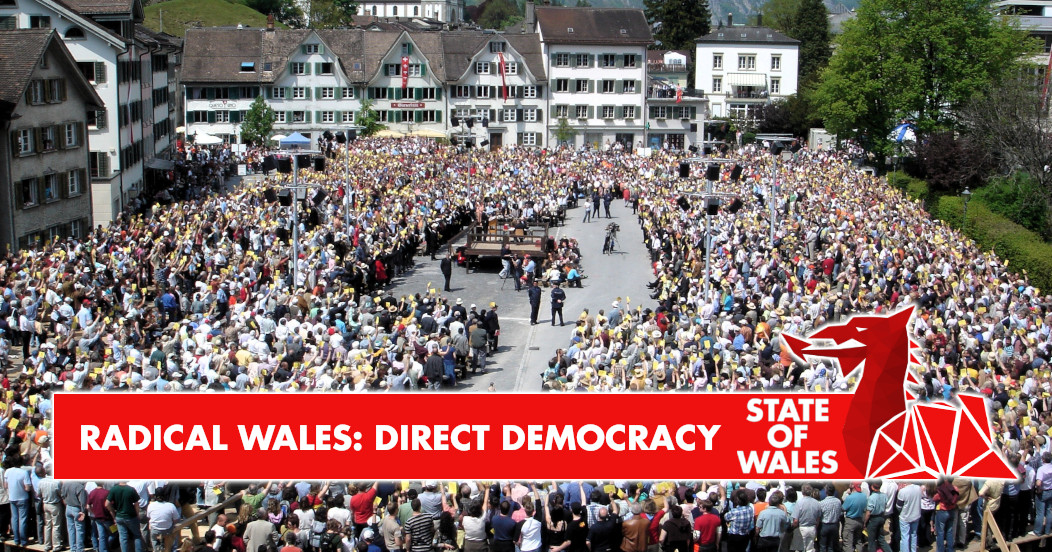
This four-part mini-series follows on from 2020’s series on the constitution and independence, taking a more in-depth look at the political and democratic elements.


As mentioned earlier, we have a system of representative democracy. We elect individuals to make decisions on our behalf.
That has some advantages. We delegate responsibilities to a select group of people so we, as the public, don’t have to think too much about it. We can “elect and forget”. It’s more efficient and leaves a lot of the details and hard work to others.
But representative democracy also means the population as a whole gives up a lot of their political power and places trust in people and political parties to use that power wisely.
If the people we elect don’t do that – or there’s a feeling they don’t do that, such as through negative media coverage or some of their own actions (spin, lying, corruption) – then it’s no surprise that the public turn off from politics or start to disengage from democracy more generally.
Representative democracy is overly reliant on the representatives being good people who see themselves as there to serve the public. Most will; though some might put their party first and ignore the public and some might put themselves first and misuse their power.
When representatives start to be seen as a “class” in their own right – and politics becomes a career, rather than a temporary role – they start to become alienated from the people they’re supposed to represent. Voting is reduced to choosing between identikit career politicians every few years with different coloured rosettes.
So one of the big questions should be: “Would democracy be improved by giving more power back to the electorate?”
That seems to be one of the joint conclusions from Democracy Box, as well as the McAllister-Williams Commission based on their recommendations around participatory democracy.
You’ll have your own opinions on what the best means of widening direct participation would be: citizens’ assemblies, some form of democratic jury service, binding consultations, Swiss-style citizens initiatives/referendums.
This site is best viewed in landscape mode on smartphones. × Support IndyWales? Support State of Wales! Donations keep this...
Radical Wales: Direct Democracy