


(Title Image: ITV Wales)
They achieved their best-ever Senedd election result, but somehow the Conservatives in Wales have managed to come out of this having not moved forward as much as they would have liked.

An uncosted, confusing manifesto – One thing you should be able to expect from the Conservatives, of all parties, is that they’ll try to prove that they can afford their manifesto pledges. They didn’t seem to bother and as a result their promises came across as more far-fetched than Plaid Cymru.
The manifesto itself was fairly well presented. However, their promises on new community hospitals were picked apart fairly quickly. They put forward several proposals for new road projects but couldn’t prove they could afford them. They geographically targeted some of their policies at particular constituencies (“North Wales” was mentioned 22 times specifically) but didn’t benefit from it in the end. There was nothing you could point to as a policy which cuts through to people.
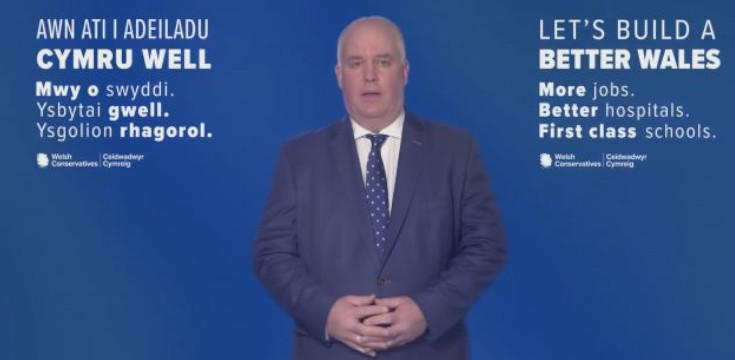
Andrew Robot Tudor Davies – Where did that weird speaking style come from? It was certainly right to mention policies instead of talking up your party prospects and talking down the prospects of others. But when it’s a blur and sounds like a commentary on the leading pack coming in at the 3:40 at Aintree it’s hard for anyone to keep up and it becomes easier to switch off.
They’ve been getting a lot of poor strategy advice for a while now. That includes picking the wrong targets in their criticisms of Welsh Government Covid restrictions, the seeming permanent rejection of a Newport bypass by the electorate after the Tories pushed for it very hard, as well as shifting towards devoscepticism when there’s at least majority support for further powers/Devo Max.
They didn’t put enough effort into the constituency races and won list seats almost by accident – Where was the machine that turned so many Welsh seats blue in 2019? As in 2016, there wasn’t much of a regional campaign either. I don’t remember receiving anything about the Tory regional candidates even though the top two were Bridgend county councillors. I don’t see why, unlike Plaid, the Tories are so reluctant about standing on the lists and in constituencies. Surely Andrew RT Davies vs Jane Hutt would’ve been a far more interesting and closer contest.
Even though it’s easier to win list seats as a large opposition party, with the right organisation it’s easier to hold a constituency because it’s not subject to the whims of D’Hondt mathematics. Constituencies are smaller areas geographically (so it’s easier to be active locally), usually comes with a higher profile for the incumbent and makes efforts to build up support structures for longer-term success easier because you don’t have to spread resources and time across an entire region. They might not have won more seats overall if they had taken more constituencies, but for the reasons above it’s why it was so important (the same goes for Plaid Cymru).

