


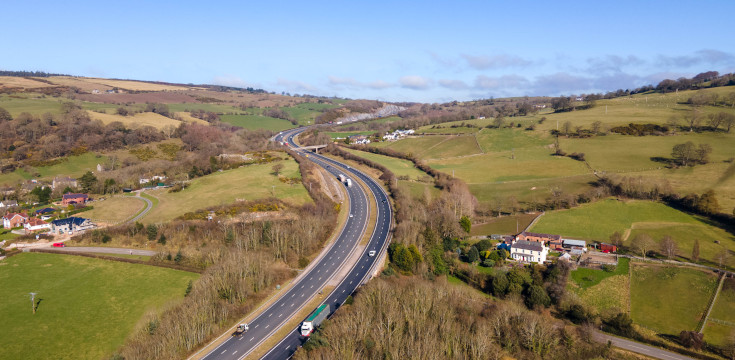
The first half of this series focused on general transport issues – not only those that need to be addressed under devolution but are key to managing transport after independence too.
These final five parts are what you’ve been waiting for. It’s time for specifics, including a look at some of the transport policies available to us after independence.
The first stop on that journey is roads and active travel.
Once road traffic is decarbonised, it presents a financial problem: how to compensate for (in Wales’ case) the loss of up to £1.4billion in fuel duty revenues.
Similarly, as vehicle excise duty (aka. “car tax”) is based on emissions, that funding source would dry up too (Wales: around £350million a year).
I went into one possible solution (pay-as-you-go road charging) in more detail below:
Image Source: David Dixon under Creative Commons Licence BY-SA-2.0 This site is best viewed in landscape mode on smartphones. ×...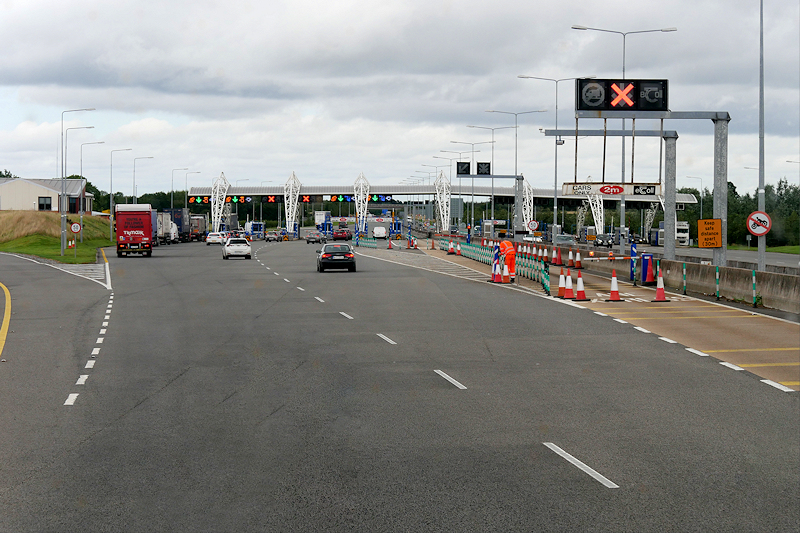
Radical Wales: Pay-As-You-Go Road Pricing
That’s the option the UK Government are reportedly considering, so it’s likely to happen before independence anyway. As for the alternatives:
Selective road-tolling: There are several ways to do this including high-occupancy lanes (exempting high-occupancy and car shares from tolls) and HGV-only tolling (similar to that used in Germany and New Zealand).
Increase car tax to compensate: To make up for lost fuel duty revenues, vehicle excise duty/car tax would have to increase at least five-fold – the standard annual rate rising from £140 to closer to £700. Charges based on emissions would have to change to power output (whether horsepower or kilowatt hours), vehicle weight and height.
EV charge duty or smart metering: This is the easiest thing to do and it would – to an extent – raise fees based on vehicle use (like PAYG road charging). The downside is it might not do enough to change driver behaviour or encourage modal shift.

