Image Source: General Medical Council via LinkedIn
Donations keep this site going. If you like what I’m doing here and think this work is important to the independence movement, consider a donation. One-off or monthly; as little or as much as you want. Click the links below, or full details are available here.
What Happens Now?
Some professions in devolved public services are regulated in Wales. The largest groups include teaching staff (school teachers, lecturers) and care workers.
Other professionals regulated in Wales include abattoir workers, people handling hazardous gases, in addition to people working in food, environmental or agricultural analysis (i.e. health inspectors). These are usually accredited directly by the Welsh Government or, in some cases, local councils.
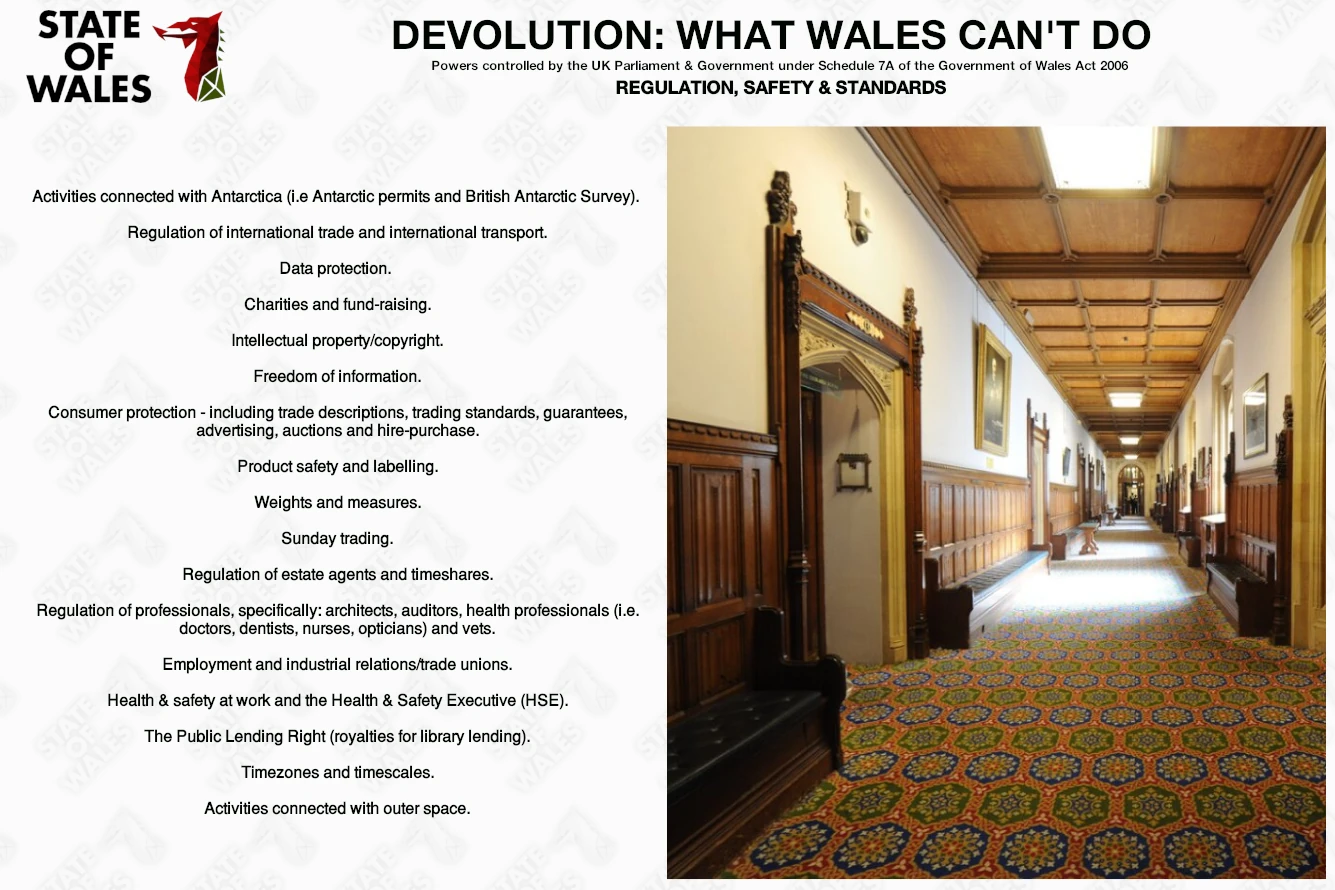
Healthcare (doctors/surgeons, dentists, nurses, opticians, pharmacists, psychiatrists, physios) and allied healthcare professionals (medical scientists, radiographers) are regulated by UK-wide bodies despite working in devolved policy areas.
Other regulated professions include:
- Legal professionals (barristers, solicitors, legal executives, etc).
- Architects.
- Auditors & accountants.
- Transport professionals (i.e. air traffic controllers, driving instructors, maritime workers, HGV & train drivers).
- Vets & veterinary nurses.
Does This Work for Wales?
For the most part, yes. Though it would make sense (under devolution) for professionals in devolved public services to be regulated in Wales if they are subject to Welsh laws.
The biggest group would be healthcare and allied healthcare professionals; you could probably make the case for vets and veterinary nurses, too.
What Would Be the Pros & Cons of Independence?
This is mainly an administrative issue, so there are no pros and cons as such.
The main advantage is that if Wales were responsible for regulating professionals, we could set our own standards. In practice, these are unlikely to be different from what they are now. It would only matter if we decided to tighten regulations or bring in new forms of professional regulation (i.e. a register for NHS managers).
The main con would be duplicating something previously handled at an all-UK level. This may make it more difficult when, for argument’s sake, a doctor qualified and registered in Wales applies for a job in England or Scotland after independence (and vice versa).
In practice, the Common Travel Area includes mutual recognition of qualifications – meaning even as things stand, an Irish doctor, nurse, opticians, etc., can work in Wales on the same basis as someone qualified in Wales itself.
There are similar measures under EU freedom of movement rules as well.
What Do Other Countries Do?
![]()
There’s a common regulated professions database1 covering the likes of electricians, medical professionals, accountants and people working with hazardous substances. As noted, under EU freedom of movement and freedom of labour rules, professional qualifications are generally recognised across borders2.
Individual member states are generally responsible for maintaining registers of regulated professionals and deciding which professions are regulated.
![]()
Around 100 different jobs are subject to official regulation. Workers usually have to be registered with the relevant New Zealand regulatory authority, including people applying for a visa3.
![]()
Ireland falls under EU rules, but also falls under Common Travel Area rules (both mentioned above). This means that professional qualifications obtained in Ireland are recognised across the EU and in the UK (and vice versa), meaning there are no barriers to seeking work in that regard.
A few of the Irish regulatory bodies are branches (or legacy offices) of UK bodies. This includes the Royal Town Planning Institute and Royal Institute of Architects, both of which still operate in Ireland (at least in name only).
What Options Does Wales Have?
All regulated professions in Wales would be regulated by Wales-only bodies – Some of these bodies already exist in some form (as noted earlier); some would need to be set up from scratch. Some of the biggest ones that don’t currently operate independently in Wales regulate healthcare professions, such as the General Medical Council, the General Dental Council and the Nursing & Midwifery Council.
It may make more sense for regulated professions with a smaller number of practitioners in Wales (for example, architects and town planners) to continue to be regulated by their existing body. This would be a Welsh sub-branch of an English-based regulator rather than a completely stand-alone office.
Using the example of architects and town planners above, a single “built environment” regulator could be set up to regulate those two professions, but also include roles such as chartered surveyors and civil engineers.
What's at Stake?
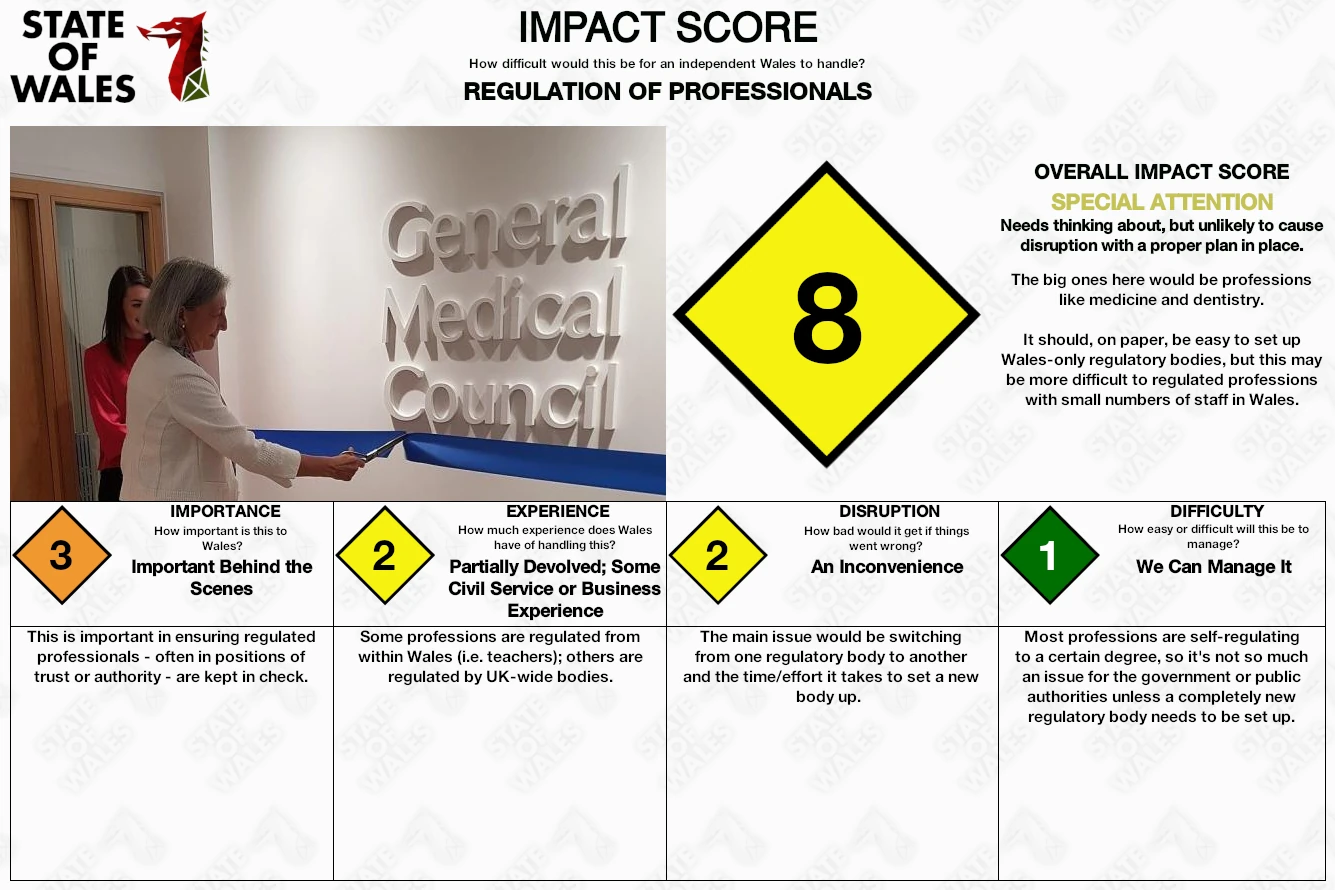
The overall score (out of 20) is the total of the scores for the four mini-categories (out of 5 each).
How Would This Be Run?
Regulatory bodies usually manage themselves, though they may need either a specific law passed to establish them or a charter/Royal Charter.
The Education Workforce Council – the body which regulates the teaching profession in Wales – was established under the Education Act 2014.
How Much Will This Cost?
Headline: It depends on the circumstances.
A large regulatory body – such as the aforementioned Education Workforce Council – costs up to £10 million per year to run4. Around a third of that comes from registration fees; the rest via a Welsh Government grant.
Professions with a small number of people working in them in Wales (for example, architects and town planners) may not have the numbers for a cost-effective, stand-alone regulator.
Would any new taxes need to be introduced?
No.
Who will pay for this?
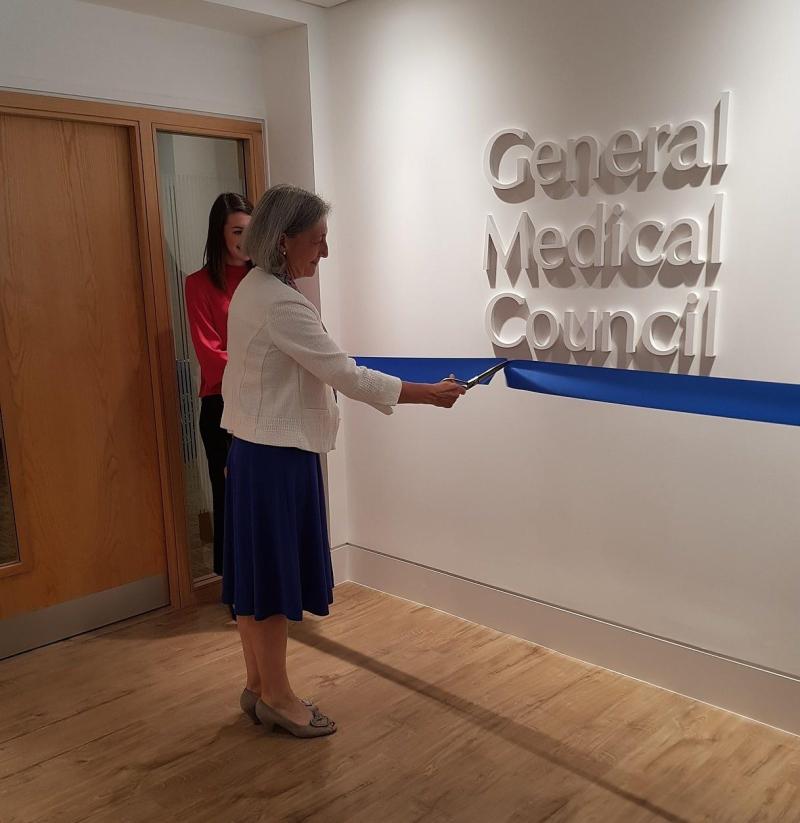
Most regulatory bodies fund themselves through registration and licensing fees. For example, a doctor can’t practice medicine without a General Medical Council licence, which costs up to £481 per year as of 20265.
Sometimes this may be topped up by a grant from the central government to cover certain activities (such as training). The Education Workforce Council received a £6.5 million annual grant from the Welsh Government in 2024-25, having raised just over £2.7 million in registration fees4.
How Long Would This Take?
If there’s an existing regulator in place, then nothing changes (in principle).
It would be good practice to allow regulated professions to set up their own regulatory bodies or make suitable arrangements (i.e. the General Medical Council continuing to regulate the medical profession in Wales).
If the professions decided they wanted to remain regulated by their “parent” body in England, then Welsh law would need to change to reflect that. For example, the Medical Act 1983 (the law regulating medical professionals and the GMC) would need to be amended to mention Welsh jurisdiction and the Senedd. That could take the best part of a year, depending on the amount of time available to make laws.
If they can’t do that, or it’s not practical to do so, the Senedd would likely need to issue regulations or draft a Charter to set up a new regulatory body (Royal Charter if Wales retains the monarchy).
People & Work
Anyone working in a regulated profession. It’s difficult to get an exact figure, but it’ll be tens of thousands of people (teachers, doctors, dentists, nurses, accountants, etc.).
There are unlikely to be any direct job implications, though some jobs would be created if UK-wide regulatory bodies are recreated in Wales. For example, a Welsh equivalent of the General Medical Council might employ up to 100-120 people, based on Ireland’s Medical Council6.
As long as the Common Travel Area rules remain in effect, there ought to be no issues with working cross-border as a regulated professional either.
You Might Also Like....
- European Commission. “Regulated professions database”.
- European Commission. “Recognition of professional qualifications”.
- New Zealand Government, New Zealand Immigration. “Check if you need occupational registration for your job”
- Education Workforce Council. “Annual Report 2024-25“.
- General Medical Council (2026). “Fees for doctors“.
- Irish Medical Council (2025). “Gender pay gap report” (p1)
No AI tools were used to draft this post.