Image Source: Pixabay, copyright free
Donations keep this site going. If you like what I’m doing here and think this work is important to the independence movement, consider a donation. One-off or monthly; as little or as much as you want. Click the links below, or full details are available here.
TL;DR: In principle, no.
Obviously, it would be useful if every Welsh member of the UK armed forces decided they wanted to help build a Welsh armed forces. Some will; many won’t.
While that presents a challenge – because we would have to build a military from scratch with fewer experienced personnel – it does mean there would be more positions to fill (meaning proportionally more jobs created in Wales).
Before Irish independence, a significant proportion of the British military was recruited from Ireland.
The Irish Guards and Royal Irish Regiment still accept recruits from the Republic – though foreign militaries are banned from active recruitment in Ireland.
In 2022, it was reported that around 800 Irish citizens joined the British Army between 2019-20221. It’s unclear what the equivalent figures are for the RAF and Royal Navy.
The UK armed forces also openly accept recruits from the Commonwealth and elsewhere.
Perhaps the most famous group is the Gurkha Brigade, which has been recruited exclusively from Nepal (non-Commonwealth) and parts of India (Commonwealth) since the early 19th Century. Despite this, even the Gurkhas have found themselves falling foul of the UK’s hostile immigration policies.
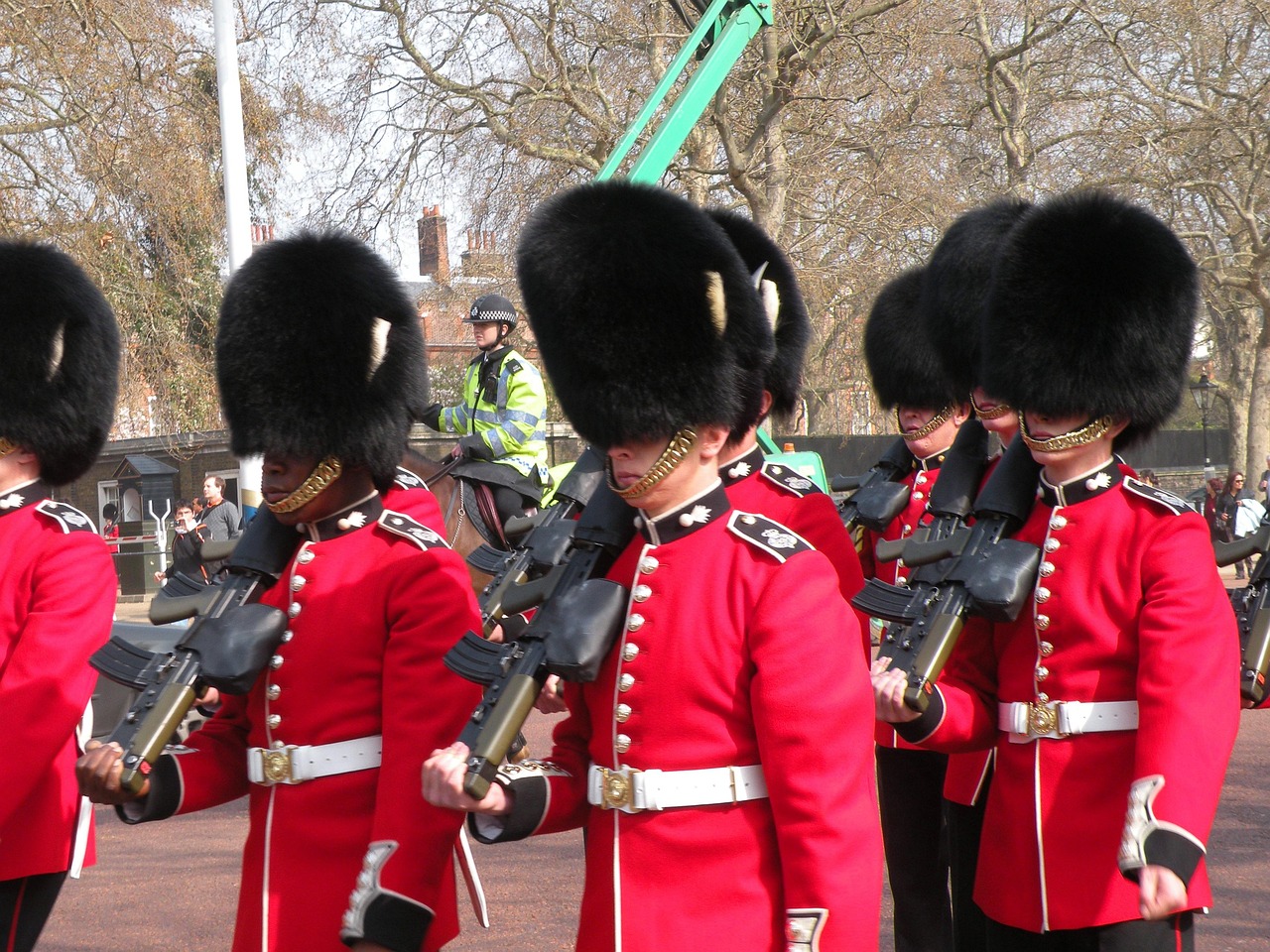
It’s therefore not unreasonable to assume that the Welsh Guards – and other regiments and brigades associated with Wales – may still exist in some way within the English military after Welsh independence and still recruit from Wales.
Serving members of the English military from Wales would probably be allowed to remain there (as there is a precedent for foreign nationals serving in the armed forces), but recruitment rules would change. Certain roles permanently locked-off to Welsh citizens within an English military (i.e. Royal Navy submariners) for national security reasons.
Similarly to Ireland, foreign militaries may be barred from recruiting directly in Wales – but it would be impractical and unpopular to block Welsh citizens from joining the English (or other foreign) military if they want to. It’s their choice.
Even if it’s to be allowed, it shouldn’t be encouraged, meaning it would have to come at a price. Armed forces personnel who serve Wales and Welsh interests should come first.
For the sake of argument, that could mean that Welsh citizens who join the English (or other foreign) military after independence wouldn’t qualify for full veteran status in Wales.
For example, that could mean they would not be considered a priority for social housing when leaving military service, or wouldn’t be eligible for any veterans’ benefits that an independent Wales may introduce.
You Might Also Like....

K. Foxe, Irish Independent (10th April 2022). “British army reports 30% rise in recruits from Ireland“.
No AI tools were used to draft this post.