Senedd Home
Oggy Bloggy Ogwr
State of Wales
Tuesday, August 11, 2026
  • About & Contact
    • About State of Wales
    • Comments Policy
    • Complaints Policy
    • Contact
    • Disclaimer
  • Elections Centre
  • The Independence Index
    • The Independence Index (Full)
    • Foreign Policy
      • Relations with the former UK & Ireland
      • Relations with Europe
      • Foreign Policy (General)
      • International Organisations & Law
      • Overseas Aid
    • Defence
      • Defence Policy
      • NATO
      • Armed Forces
      • National Security
      • Civil Defence
    • Rules & Regulations
      • Safety & Standards
      • Intellectual Property
    • Economics & Money
      • Business & Economy
      • Currency
      • Tax & Spending
      • Transport & Infrastructure
    • Society
      • Communities & Housing
      • Culture & Sport
      • Education
      • Health
      • Media & Communications
      • Science & Technology
    • The State
      • Environment & Natural Resources
      • Justice
      • Local Government
  • Support & Donate
No Result
View All Result
  • About & Contact
    • About State of Wales
    • Comments Policy
    • Complaints Policy
    • Contact
    • Disclaimer
  • Elections Centre
  • The Independence Index
    • The Independence Index (Full)
    • Foreign Policy
      • Relations with the former UK & Ireland
      • Relations with Europe
      • Foreign Policy (General)
      • International Organisations & Law
      • Overseas Aid
    • Defence
      • Defence Policy
      • NATO
      • Armed Forces
      • National Security
      • Civil Defence
    • Rules & Regulations
      • Safety & Standards
      • Intellectual Property
    • Economics & Money
      • Business & Economy
      • Currency
      • Tax & Spending
      • Transport & Infrastructure
    • Society
      • Communities & Housing
      • Culture & Sport
      • Education
      • Health
      • Media & Communications
      • Science & Technology
    • The State
      • Environment & Natural Resources
      • Justice
      • Local Government
  • Support & Donate
No Result
View All Result
State of Wales
No Result
View All Result
Home Census 2021

Census 2021 & Wales: Home Life

Why the 2021 census was good news for estate agents and landlords and bad news for the environment.

Owen Donovan by Owen Donovan
March 29, 2023
in Census 2021
Census 2021 & Wales: Home Life

Jon Candy via Flickr under Creative Commons Licence BY-SA-2.0

Share on FacebookShare on TwitterShare on RedditShare on BlueskyShare by email

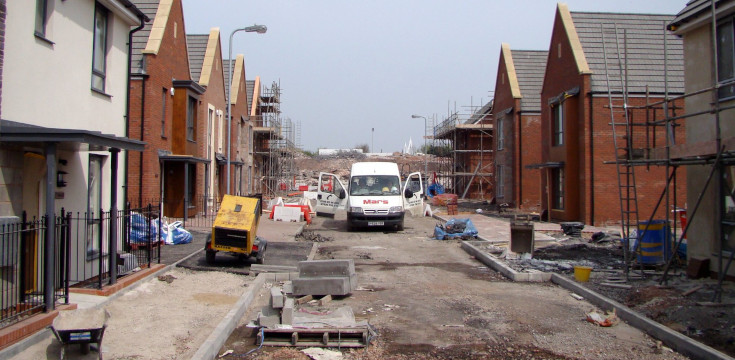
The penultimate part of this look at the 2021 census focuses on the home. This includes marital status, tenure and access to private vehicles.

Census 2021 & Wales: Population
Census 2021

Census 2021 & Wales: Population

by Owen Donovan
March 20, 2023
Census 2021 & Wales: Identity
Census 2021

Census 2021 & Wales: Language

by Owen Donovan
March 22, 2023
Census 2021 & Wales: Identity
Census 2021

Census 2021 & Wales: Identity

by Owen Donovan
March 24, 2023
Census 2021 & Wales: Religion & Belief
Census 2021

Census 2021 & Wales: Religion & Belief

by Owen Donovan
March 27, 2023
Census 2021 & Wales: Advantage & Disadvantage
Census 2021

Census 2021 & Wales: Advantage & Disadvantage

by Owen Donovan
March 31, 2023

Another reminder of the ground rules/method:

  • The figures will be counted at council level (the 22 unitary authorities). There are probably more interesting results at a local level/ward level, but that’s not for me to do. You can look these up yourselves using the ONS’s interactive map.
  • Percentages are rounded to the nearest decimal place and changes are percentage point increases or decreases (unless stated otherwise).
  • 2021 will be compared to both the 2011 and 2001 censuses unless comparable figures are unavailable (i.e. things were counted differently in 2021 compared to previous years) or I couldn’t find the data for whatever reason. In some instances, there won’t be a comparison because it’s a new category.
  • Any conclusions are educated guesses rather than hard/academically rigorous ones.

1. Marital Status

  • 1. Marital Status
  • 2. Home Ownership
  • 3. Private Tenants
  • 4. Social Tenants
  • 5. Households without access to a private vehicle
  • 6. Multi-Vehicle Households
Previous
Next
Click to enlarge

What’s the overall national picture?

44.2% of over-16s were married or in a civil partnership in 2021, which is a 2.6% percentage point drop compared to 2011 – continuing the decline seen at the last census.

The figures include same-sex marriages and civil partnerships, which in the case of same-sex marriages only became legal after the previous census.

While that still means a sizable proportion of adults are married or in civil partnerships, they’re a minority.

What are the standout findings for individual councils?

The only council area where more than half of over-16s are married or in a civil partnership is Monmouthshire (51.7%), while Ceredigion was the only council area to see an increase in marriages or civil partnerships since the last census (+2.3%).

Everywhere else has seen a fairly consistent decline of between 2-3%, with urban and post-industrial areas seeing a sharper fall. The proportion of married or civil partnered adults declined fastest in Caerphilly (-4.1%), Neath Port Talbot and Torfaen (both -3.9%).

What may be the reasons behind the changes (if applicable)?

It’ll be a mix of things including – at heart – changing expectations for long-term relationships (for example, being a single parent or having children outside of marriage isn’t as stigmatised as it once was).

High divorce rates may discourage marriage. While many people remain single for longer or just drop out of the “relationship pool” altogether.

The decline is more pronounced amongst opposite-sex couples than same-sex couples. Also, cohabitation may have increased, meaning younger couples may be looking to establish financial stability – because of increased housing and other living costs – before opting to marry (if they decide to do so at all), which delays things.

Are there any public policy implications?

Marriage does come with certain legal protections in the event of a divorce, so if cohabitations increase there’s a chance that people will be coming out of long-term relationships that have been marriages-in-name with no protection at all.

It saves the time and money of having to go through a divorce, but it could leave a less-well-off partner – or a partner who’s been subject to domestic abuse, for example – in a difficult position.

There’s the broader issue of loneliness as well, which would encompass those who’ve never been married as well as divorcees and the widowed.

1. Marital Status

  • 1. Marital Status
  • 2. Home Ownership
  • 3. Private Tenants
  • 4. Social Tenants
  • 5. Households without access to a private vehicle
  • 6. Multi-Vehicle Households
Previous
Next
Tags: Blaenau GwentBus ServicesCaerphillyCardiffCensus 2011Census 2021CeredigionDenbighshireFamily LawFinancial ServicesHousingMen's IssuesMerthyr TydfilMonmouthshirePrivatisationRail TransportRoad TransportSocial AttitudesSocial MobilityThird SectorTorfaenWomen's Issues
Previous Post

Census 2021 & Wales: Religion & Belief

Next Post

Census 2021 & Wales: Advantage & Disadvantage

Owen Donovan

Owen Donovan

Archive

Categories

Copyright

Creative Commons Licence

State of Wales by Owen Donovan is licensed under a Creative Commons Attribution-NonCommercial-NoDerivatives 4.0 International License.

Subscribe by Email

Search

No Result
View All Result
No Result
View All Result
  • Go To Senedd Home
  • Go To Oggy Bloggy Ogwr
  • About & Contact
    • About State of Wales
    • Comments Policy
    • Complaints Policy
    • Contact & Subscribe by Email
    • Disclaimer
  • Features
    • After the UK
    • Chinny Reckon
    • Devil’s Advocate
    • How Wales Works
    • Road to Brexit
  • The Independence Index
    • The Independence Index (full)
    • Economics & Money
      • Business & Economy
      • Currency
      • Tax & Spending
      • Transport & Infrastructure
    • Society
      • Communities & Housing
      • Culture & Sport
      • Education
      • Health
      • Media & Communications
      • Science & Technology
    • The State
      • Environment & Natural Resources
      • Justice
      • Local Government
  • Elections Centre
  • Wales FAQ
    • How is Wales funded?
    • How are laws in Wales made?
  • Support & Donate