Image Source: ashabot via Flickr under Creative Commons Licence BY-NC-SA-2.0
Donations keep this site going. If you like what I’m doing here and think this work is important to the independence movement, consider a donation. One-off or monthly; as little or as much as you want. Click the links below, or full details are available here.
The UK has three main security and intelligence agencies:
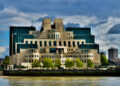
- The Security Service (aka MI5) – The main internal security and intelligence service, headquartered in London. MI5’s key intelligence tasks include counter-terrorism, counter-espionage (monitoring foreign spies and assets operating within the UK, referred to as “state threats”), and providing national security advice to governments, businesses and the public.
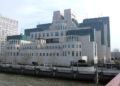
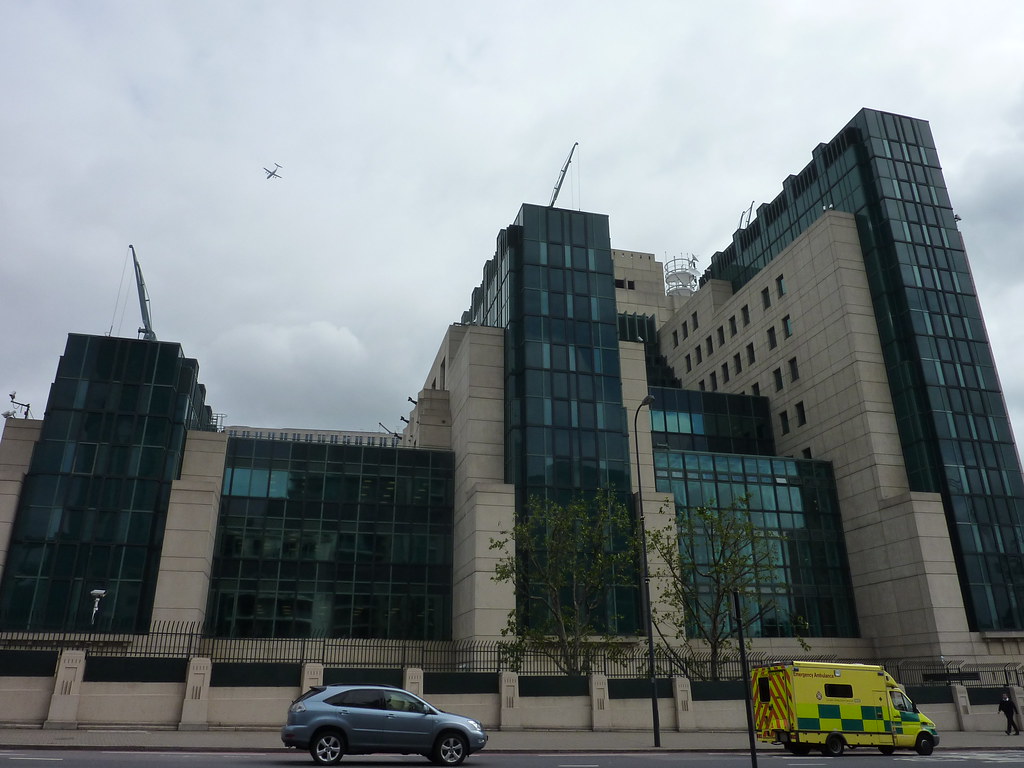
- The Secret Intelligence Service (aka MI6) – The UK’s foreign intelligence agency, headquartered in London. Their list of tasks is similar to those of MI5, but undertaken abroad. Due to the nature of their work, they are (debatable) more secretive and less public-facing than MI5. Their existence wasn’t officially acknowledged until the 1990s.
- Government Communications Headquarters (GCHQ) – The UK Government’s digital and communications intelligence agency, headquartered in Cheltenham. Their main role is to collect and analyse digital and broadcast intelligence. GCHQ also houses the UK’s Cyber Security Centre to counter cyber attacks and organised crime.
In addition to these, other bodies undertake intelligence and national security tasks:
- Defence Intelligence – The UK’s military intelligence agency, which gathers information to help military commanders on the ground. Each of the three main branches of the UK’s military has an intelligence corps or unit.
- Metropolitan Police – The Met Police tends to take the lead (UK-wide) on major police investigations involving counter-terrorism or other significant national security threats. This includes historic units such as Special Branch, which has now been merged into the Counter-Terrorism Command (SO15). The four Welsh police forces form a “regional” Counter Terrorism Policing Wales unit, coordinated by SO15.
- National Crime Agency (NCA) – A stand-alone law enforcement agency established in 2013, targeting serious and organised crime. They investigate CSAM, drug trafficking, missing persons, modern slavery, major fraud, cybercrime and money laundering, amongst other crimes.
- Tarian – A regional organised crime & criminal intelligence unit covering Dyfed-Powys, South Wales and Gwent police forces (previously North Wales Police too).
- National Cyber Force – A joint agency/unit working with multiple different security services set up to carry out cyber operations on behalf of the UK.
The activities of the security services are scrutinised and coordinated by several Cabinet-level committees – namely the National Security Council and the Joint Intelligence Organisation.
The UK Parliament’s Intelligence & Security Committee – which meets in private – provides some level of democratic accountability to the security services. They occasionally publish reports on intelligence and national security matters following their inquiries.
Understandably, very few statistics are published on the activities of the security services. In 2024-25, the total estimated spending by the three main UK security and intelligence agencies was just over £5.6 billion1. A proportional “Welsh share” of this would work out at around £280 million per year.
You Might Also Like....
-
- UK Government, Cabinet Office (5th November 2025). “Security and Intelligence Agencies Financial Statement 2024-25“.
No AI tools were used to draft this post.